Rethinking Sales Pipeline Determination: AI for Sales Professionals

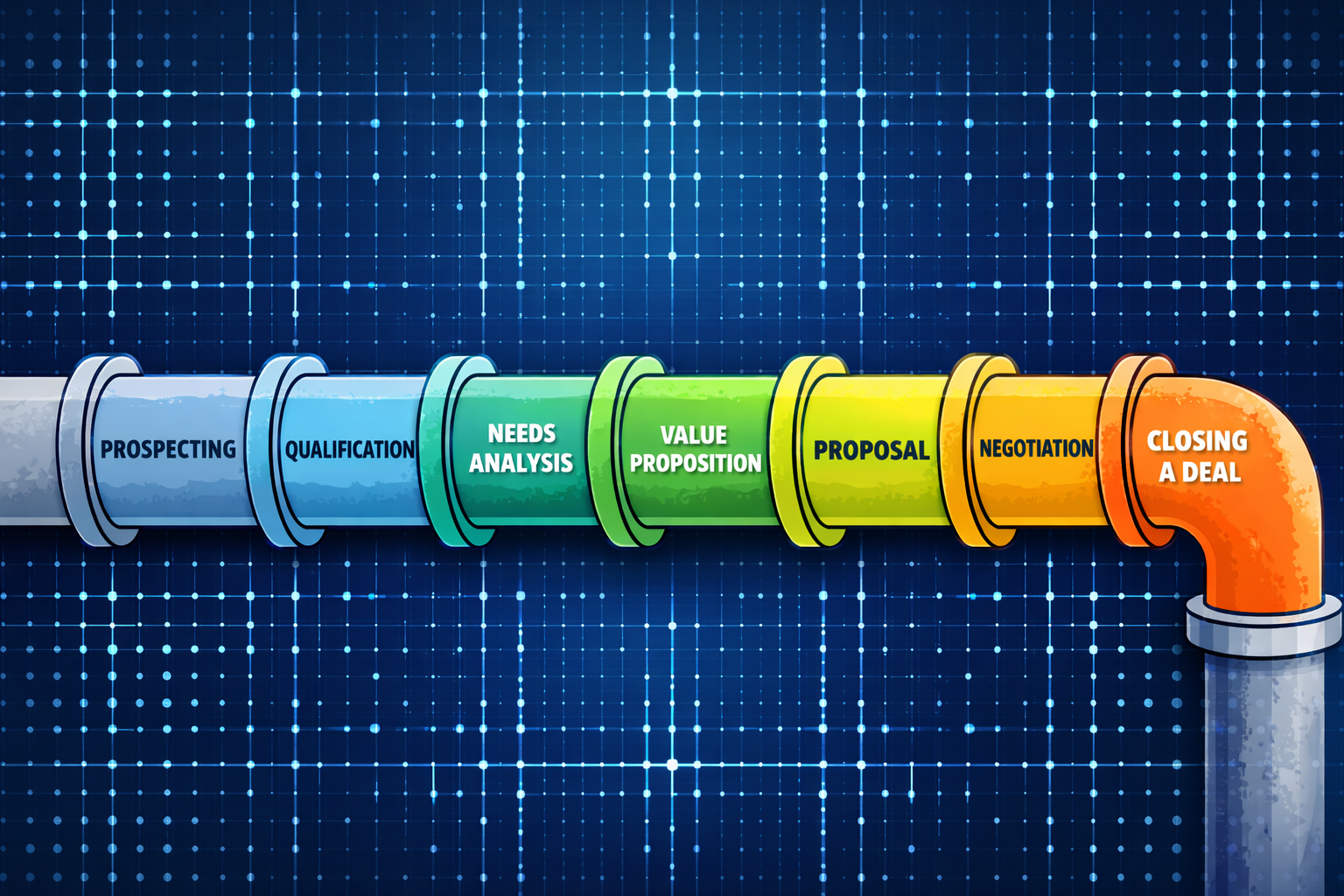
Discover how AI transforms sales pipeline determination. HuntingAlice finds high-intent leads with AI, boosting efficiency and revenue for sales teams.
For sales professionals, the sales pipeline represents the lifeblood of revenue generation. Traditionally, determining where a lead sits in this pipeline has relied on manual processes, gut feelings, and lagging indicators. But what if you could proactively hunt for high-intent customer leads and automatically determine their pipeline stage based on real-time buyer intent signals? This is where AI-driven lead discovery comes into play, transforming how sales teams operate.
This article explores how AI is redefining sales pipeline determination, moving beyond reactive methods to proactive lead hunting. We'll examine how AI-powered social listening for leads and buyer intent analysis can help sales professionals identify and engage with high-potential prospects, ultimately accelerating the sales cycle and boosting revenue.
The Limitations of Traditional Sales Pipeline Determination
Traditional sales pipeline determination often relies on manual data entry, subjective assessments, and lagging indicators like website form submissions or demo requests. This approach has several limitations:
- Incomplete Data: Sales reps may not always accurately or consistently update lead information, leading to an incomplete picture of the pipeline.
- Subjectivity: Determining a lead's stage can be subjective, based on the rep's individual interpretation of their interactions.
- Reactive Approach: Traditional methods are reactive, only capturing leads after they've already engaged with your website or content. This misses opportunities to proactively identify and engage with potential customers earlier in their buying journey.
- Time-Consuming: Manually sifting through leads and updating pipeline stages is a time-consuming process that takes away from valuable selling time.
- Lack of Real-Time Insights: Pipeline reports are often based on outdated information, making it difficult to make timely decisions.
These limitations can lead to inaccurate forecasting, missed opportunities, and ultimately, lower revenue. Sales teams need a more proactive and data-driven approach to sales pipeline determination.
AI-Driven Lead Hunting: A New Approach
AI-driven lead hunting offers a fundamentally different approach to sales pipeline determination. Instead of waiting for leads to come to you, an AI Hunter actively hunts for potential customers based on predefined criteria and buyer intent signals. This proactive approach enables sales teams to:
- Identify High-Intent Leads: AI algorithms analyze vast amounts of data to identify leads who are actively researching solutions like yours.
- Engage Earlier in the Buying Journey: By identifying leads early, sales teams can engage them before they've even considered your competitors.
- Personalize Outreach: AI provides insights into a lead's specific needs and interests, allowing for personalized outreach that resonates.
- Improve Lead Qualification: AI can automatically qualify leads based on predefined criteria, ensuring that sales reps focus their time on the most promising prospects.
- Increase Efficiency: By automating lead hunting and qualification, AI frees up sales reps to focus on building relationships and closing deals.
AI-driven lead hunting transforms the sales process from a reactive, manual effort to a proactive, data-driven one. This shift enables sales teams to identify and engage with high-potential leads more efficiently and effectively, leading to increased revenue and faster growth.
Leveraging Buyer Intent Signals for Accurate Pipeline Staging
Buyer intent signals are actions or behaviors that indicate a potential customer's interest in purchasing a product or service. These signals can include:
- Content Consumption: Downloading white papers, reading blog posts, or watching webinars related to your industry or solutions.
- Website Activity: Visiting specific product pages, pricing pages, or case studies on your website.
- Social Media Engagement: Mentioning your company, products, or competitors on social media.
- Job Postings: Posting job openings that require skills or technologies related to your solutions.
- Technology Adoption: Using specific technologies that integrate with or complement your offerings.
By tracking and analyzing these buyer intent signals, AI can accurately determine a lead's stage in the sales pipeline. For example, a lead who has downloaded multiple white papers and visited your pricing page is likely further along in the buying journey than someone who has only visited your homepage. AI automates this analysis, providing sales reps with real-time insights into each lead's readiness to buy. This is a more precise method of sales pipeline determination.
Social Listening for Leads: Identifying Opportunities Early
Social listening for leads involves monitoring social media channels for mentions of your company, products, competitors, and industry-related keywords. This can provide valuable insights into potential customer needs, pain points, and buying intentions. AI-powered social listening tools can automatically:
- Identify Relevant Conversations: Filter out irrelevant mentions and focus on conversations that indicate buying intent.
- Analyze Sentiment: Determine the sentiment behind mentions (positive, negative, or neutral) to gauge brand perception and identify potential issues.
- Identify Influencers: Discover key influencers in your industry who can help amplify your message and reach a wider audience.
- Monitor Competitors: Track competitor mentions to understand their strengths, weaknesses, and market positioning.
- Generate Leads: Identify individuals or companies who are actively seeking solutions like yours on social media.
By leveraging social listening for leads, sales teams can identify opportunities early in the buying journey and engage with potential customers before they've even considered your competitors. This proactive approach can significantly increase your chances of winning new business.
Integrating AI Hunter into Your Existing Sales Workflows
Integrating an AI Hunter platform into your existing sales workflows doesn't require a complete overhaul of your processes. Instead, it's about augmenting your current efforts with AI-powered insights and automation. Here's how:
- Define Clear Criteria: Work with your AI Hunter provider to define clear criteria for identifying high-intent leads based on your target market and ideal customer profile.
- Integrate with Existing Tools: Ensure that your AI Hunter platform integrates seamlessly with your existing sales tools, such as your communication platforms, to avoid data silos and streamline workflows.
- Train Your Sales Team: Provide your sales team with training on how to use the AI Hunter platform and interpret the insights it provides.
- Establish Clear Processes: Define clear processes for how sales reps should engage with leads identified by the AI Hunter platform.
- Continuously Monitor and Optimize: Regularly monitor the performance of your AI Hunter platform and make adjustments as needed to optimize its effectiveness.
By integrating AI Hunter into your existing sales workflows, you can empower your sales team to focus on building relationships and closing deals, while the AI Hunter platform handles the heavy lifting of lead hunting and qualification.
Future of Sales Pipeline: AI-Powered Lead Qualification
The future of sales pipeline determination lies in AI-powered lead qualification. As AI technology continues to evolve, it will become even more sophisticated at identifying and qualifying high-intent leads. This will enable sales teams to:
- Automate Lead Scoring: AI will automatically score leads based on a wide range of factors, including buyer intent signals, demographic data, and engagement history.
- Predict Lead Conversion: AI will predict the likelihood of a lead converting into a customer based on historical data and patterns.
- Personalize Sales Interactions: AI will provide sales reps with personalized recommendations for how to engage with each lead based on their individual needs and interests.
- Optimize Sales Strategies: AI will analyze sales data to identify the most effective sales strategies and tactics for different types of leads.
- Improve Sales Forecasting: AI will provide more accurate sales forecasts based on real-time pipeline data and predictive analytics.
Ultimately, AI-powered lead qualification will enable sales teams to work smarter, not harder, by focusing their time and resources on the most promising opportunities. This will lead to increased revenue, faster growth, and a more efficient sales process.
Conclusion
AI is transforming sales pipeline determination from a reactive, manual process to a proactive, data-driven one. By leveraging AI-driven lead hunting, buyer intent signals, and social listening for leads, sales professionals can identify and engage with high-potential prospects earlier in the buying journey. This leads to more accurate pipeline staging, improved lead qualification, and ultimately, increased revenue. As AI technology continues to evolve, it will play an even more critical role in helping sales teams work smarter and achieve their goals.